Posts

DIY Vegetable Garden Tips

Image
Growing your own vegetables is fun, rewarding, and delicious! Here are 6 easy-to-grow veggies and tips for their care: Beans Growing green beans from seed is a great introduction for many new gardeners looking to gain a green thumb. In early spring, plant each seed so that it is covered by about ½ to ¼ inch of soil and keep it moist until it germinates – begins to grow. Beans will start in cool spring weather but enjoy growing on and producing their bean pod fruits as the season gets warmer. Make sure to plant it near a fence or trellis so that it has something to climb on! Beans and peas really enjoy a good climb. By supporting the plants they will not flop over on themselves and more leaves will be able to take in that nice fresh sunlight, giving the plant more energy to produce more beans. Pick the bean pods when they flesh out to contain beans inside. The beans and pods are edible raw and cooked. Lettuce Lettuce is, without fail, delicious. It’s a cool-season crop that ...

It’s April -- Don’t Panic!

Image
April. A quarter of the year is GONE. We always think there is plenty of time in the winter to get things done, and then BAM!   Winter is over, by the calendar (if not in reality), so get moving! Serious planting season (as if we were not serious before?!) is here, whether the ground and weather are ready, or, in the case of April 2018, NOT! Still cold, muddy, threats of storms, wind, snow, sleet…. I am so ready for a real spring. However, I know that it is perfectly possible to jump from cold late winter weather to hot early summer weather and skip the lovely moderate spring weather. We never know till we are in it! My job is to be better than the weather and the weather forecasters and to make certain that we can plant and harvest regardless of what the weather is doing. This is why we have greenhouses and hoop houses!   If you want to harvest in April or May, you have to plant before then. April shows if we have done our planning properly. A late start to spring a...

Incorporating Native Plants Into Your Garden Design

Image
Why Native Perennials? Let’s talk about why they are important, what they are, and how to incorporate them into our gardens! Why They Are Important Native perennials are a subject about which I am very passionate. The garden world has been abuzz in recent years with how to grow better gardens. The answers the experts have come to relies on the need for everyone to get involved. Owning a home and land means having a commitment and responsibility to doing our part to keep our air, water, and soil clean for everyone to live more healthily every day. Plants as a whole are natural environmental stewards. Plants hold soil in place with roots to prevent it from being washed away by rain, and they take chemicals that are toxic to us out of the air, water, and soil and store them in their bodies so that we don’t have to breathe or drink them. Plants have many other important roles, and as humans, we are conscious of those roles and able to put plants into spots where we most need them. Plants t...

Encouraging Pollinators

Image
Everyone should have the opportunity to walk outside on a warm day and be surrounded by beautiful birds, bees, and butterflies. Providing an ecological-friendly habitat is the first step to achieving this goal. 5 of our Native Perennial Wildflowers Members of our local modern native-type ecosystem. For each plant the varieties, colors, flowering time, sun/shade requirements, and main pollinators are listed. - Coreopsis - Tickseed: we have 4 varieties, warm colors, blooms June-July, likes full sun, and attracts bees, beneficial wasps, and butterflies -Echinacea- Coneflower: we have 3 varieties, warm colors and white, blooms July-September, likes full sun, and benefits bees and butterflies -Heuchera- Coral Bells : 2 varieties of striking green and regal purple leaves all season, flowers in April-June, likes shade (!), great for bees -Monarda- Bee Balm/ Bergamot  ‘Jacob Cline’ : blooms bright red in June, definitely a full sun plant, and a hummingbird beacon (and bees to...

The Pansy

Image
“There’s pansies, that’s for thoughts.” William Shakespeare, Hamlet  The name “pansy” comes to us courtesy of the English, who mangled the French word “penser” (means ‘to think’) in the mid-1400s. At that time the word was used for the wildflower we call a viola or johnny jump up. The flower was widely used for centuries as a romantic gesture and as a symbol of secret courting.  A violet or purple flower meant passion, yellow for happiness, and white for “let’s take a chance!”  Shakespeare used the pansy several times in his plays.                      The large flowers we know today are a result of the gardening passion of the British landowners in the 18 th and 19 th centuries. Lady Mary Elizabeth Bennett of Surrey, England, was the first to introduce the large pansy flower to the world in 1812. Other gardeners quickly followed in her path, and within 20 years there were 400 named varieties of pansies....

Garlic

Image
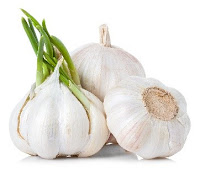
We had a "Plant Your Own Garlic" Pop Up Event recently and it was soo much fun! Here is some information about growing garlic if you didn't have a chance to stop by.  Garlic, Onions, Potatoes... When these veggies sit in the pantry long enough they begin to grow leaves. All three can be re-planted in the garden for a fresh crop. Outside, garlic is typically planted in fall. It’s a cool-season crop, meaning it grows well in cool temperatures and will flower in summer heat. This moves the energy and flavor of the garlic plant away from the stem and leaves towards the flower, giving it less flavor, so harvesting your garlic cloves before they flower is important. Garlic is typically not re-planted outside after selling in stores, because they often don’t grow as big. This isn’t a problem when growing garlic in a pot as a hobby gardener, because it is a small-scale option if you want to re-use garlic that sprouted in the pantry now and again. How to Plant: Step 1: F...

A Day in March:

Image
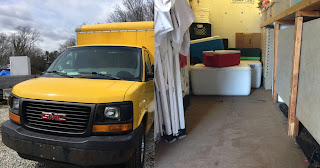
What DO we do all day long? Every day is different—it’s one reason we like what we do! But here is one day in March, with the help of a lot of people: Saturday, March 10, 2018. I always check the weather first: Clear and sunny, low of 29, going up to 44 today, still plenty of snow on the ground from the March 7 nor’easter (winter storm Quinn—did I know before that storms are named as well as hurricanes?), but starting to melt. 5:30 am  -  Bring market truck to barn loading area. Prepare market aprons and Fitler share list. 5:45  -  Roll carts with produce out of storage and start loading truck 6:25 -  Finish loading. Double check that everything is on the truck: donuts (very important! Especially since we’ve forgotten them once or twice….), supply boxes, flowers, non-refrigerated produce, meat shares…check! Off they go to Philadelphia 6:30  - Bake and prep pies, bread, muffins, and donuts for the farm market. 8:00  -   Start b...